info@skaala.org

Mailing address

Peetri 11
Tallinn, 10415
Estonia

Directions


Skaala Investments OÜ

Estonian business registry: 11168790


Media Kit

See our announcements, and download press releases, images, logos, and other media materials to support your coverage of Skaala.

Why It’s the Age of the Investor-Entrepreneur

Wired

Plural’s Taavet Hinrikus says early-stage VC funds need to set a founder to catch a founder.

Read the article here.

October 09, 2022

Spokepersons

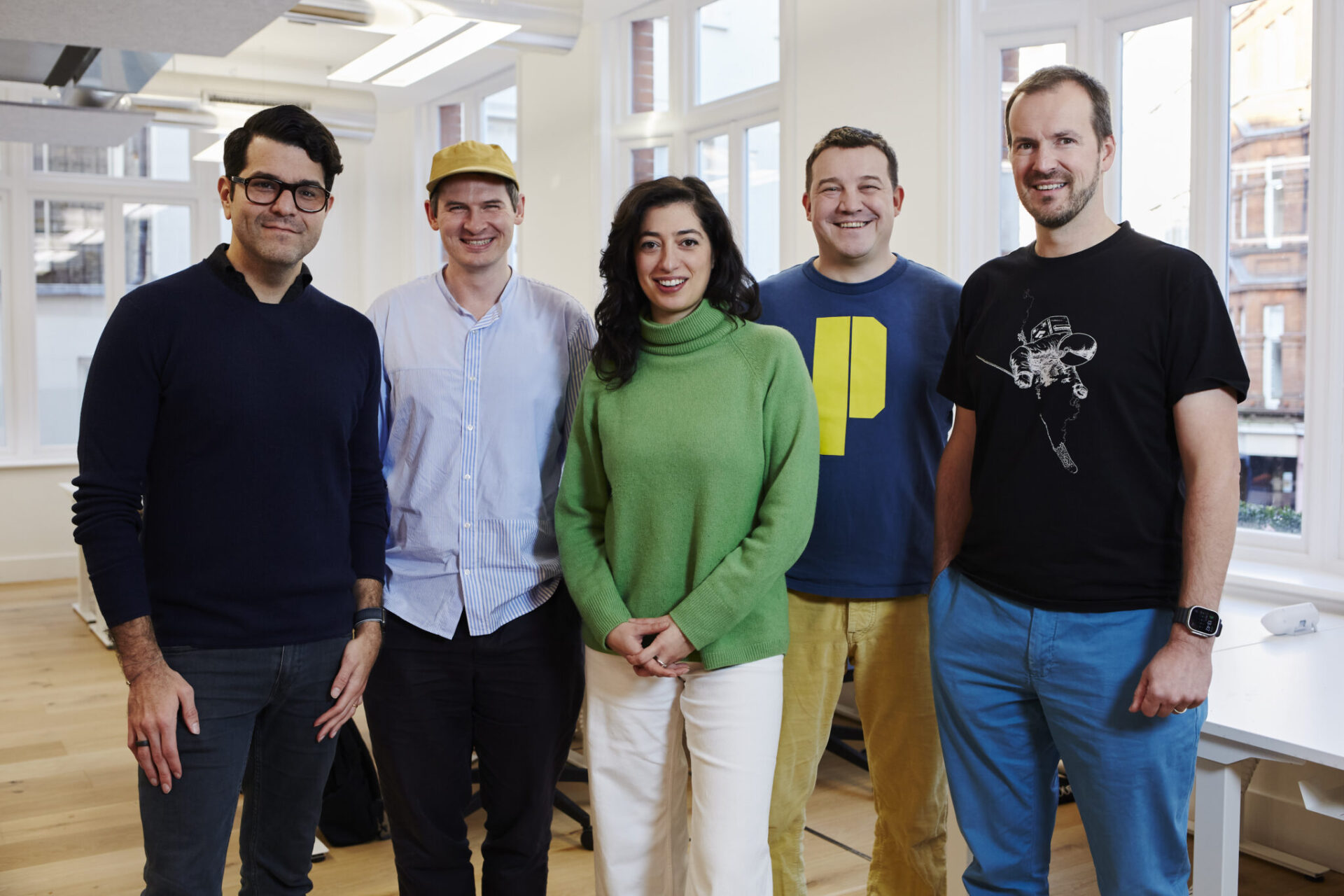
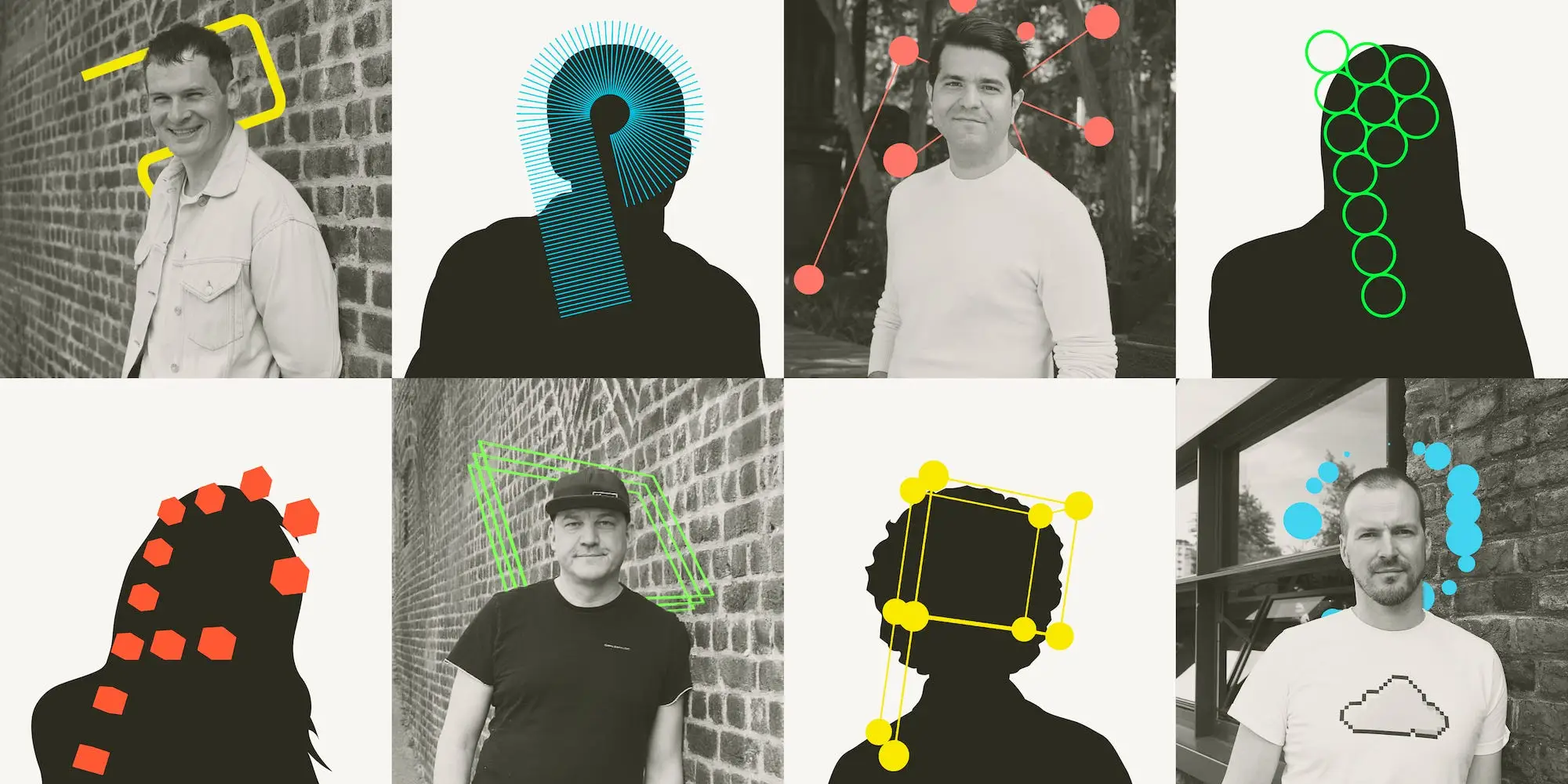
The Skaala team brings a wealth of knowledge, experience, and expertise across finance, technology, scale-ups, and societal impact. Write us at press@skaala.org.

Publications

  • Building the Future: Krulli Quarter’s Journey from Industrial Past to Green City District

    Annika Ljaš Eilat

    Krulli Quarter, which spans 10 hectares, has a 10-year plan to transform into a lively neighborhood with a dense network of public spaces—both indoor and outdoor—where locals and visitors can enjoy spending time.

    Read the article here.

    December 03, 2024
  • Our mission with Plural is to have GDP-level impact on Europe

    Latitude59

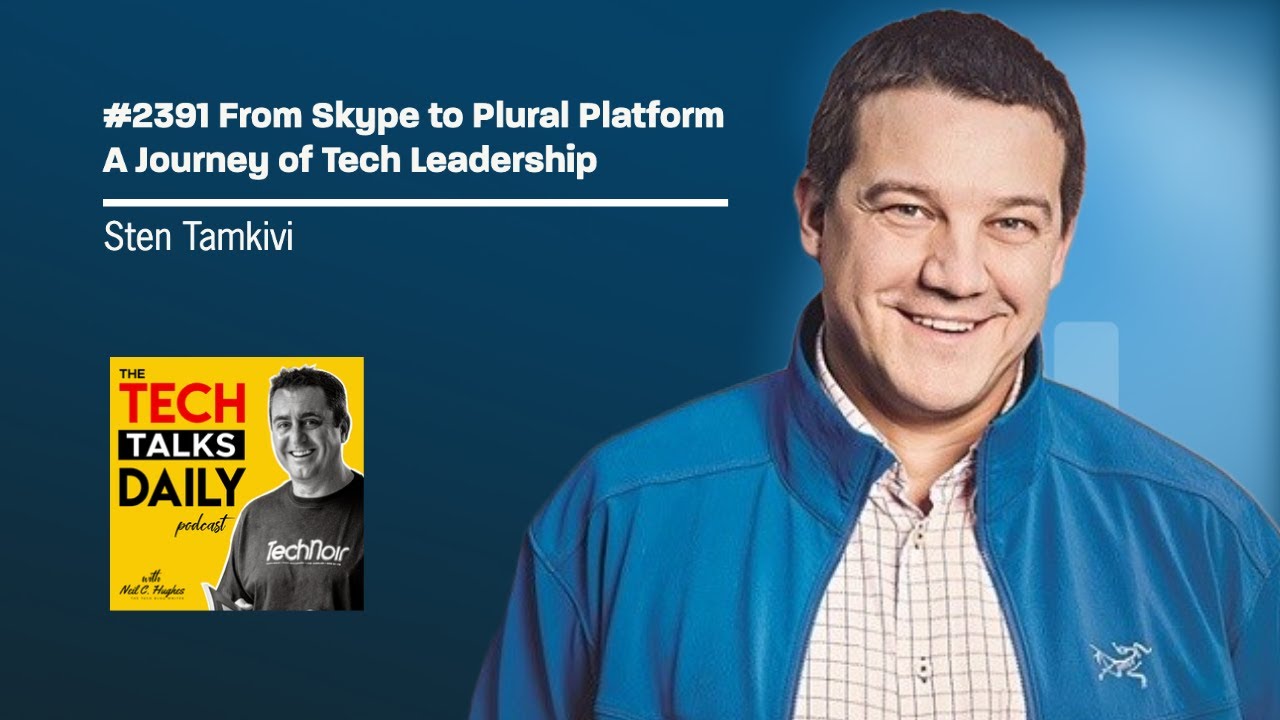
    Sten Tamkivi has been on the Latitude59 stage more times than we can count – as a founder, as an investor, as a community builder. One of the earliest members of the Estonian startup community, he served at Skype for over 8 years, he co-founded Teleport (which was acquired by Topia in 2017), and now – together with Taavet Hinrikus – he invests in the next legendary tech companies from Europe via Plural.

    As Latitude59 is just around the corner, we asked Sten about his earliest memories of Latitude59, how our startup scene has changed over the years, and what will he be up to at this year’s conference!

    Read the article here.

    May 03, 2024
  • Estonian-British investment fund pledges €400 million to Europe’s tech startups

    Estonian World

    The Tallinn, Estonia, and London, UK-based early-stage investment fund, Plural, announced on 23 January a new €400 million fund to support European tech entrepreneurs.

    Plural, which launched in June 2022, aims to match European startup entrepreneurs with investors who have also been founders.

    “Only 8% of European VCs have ever built a company, yet founders building tough businesses are better served by investors with first-hand experience,” Plural said in a statement.

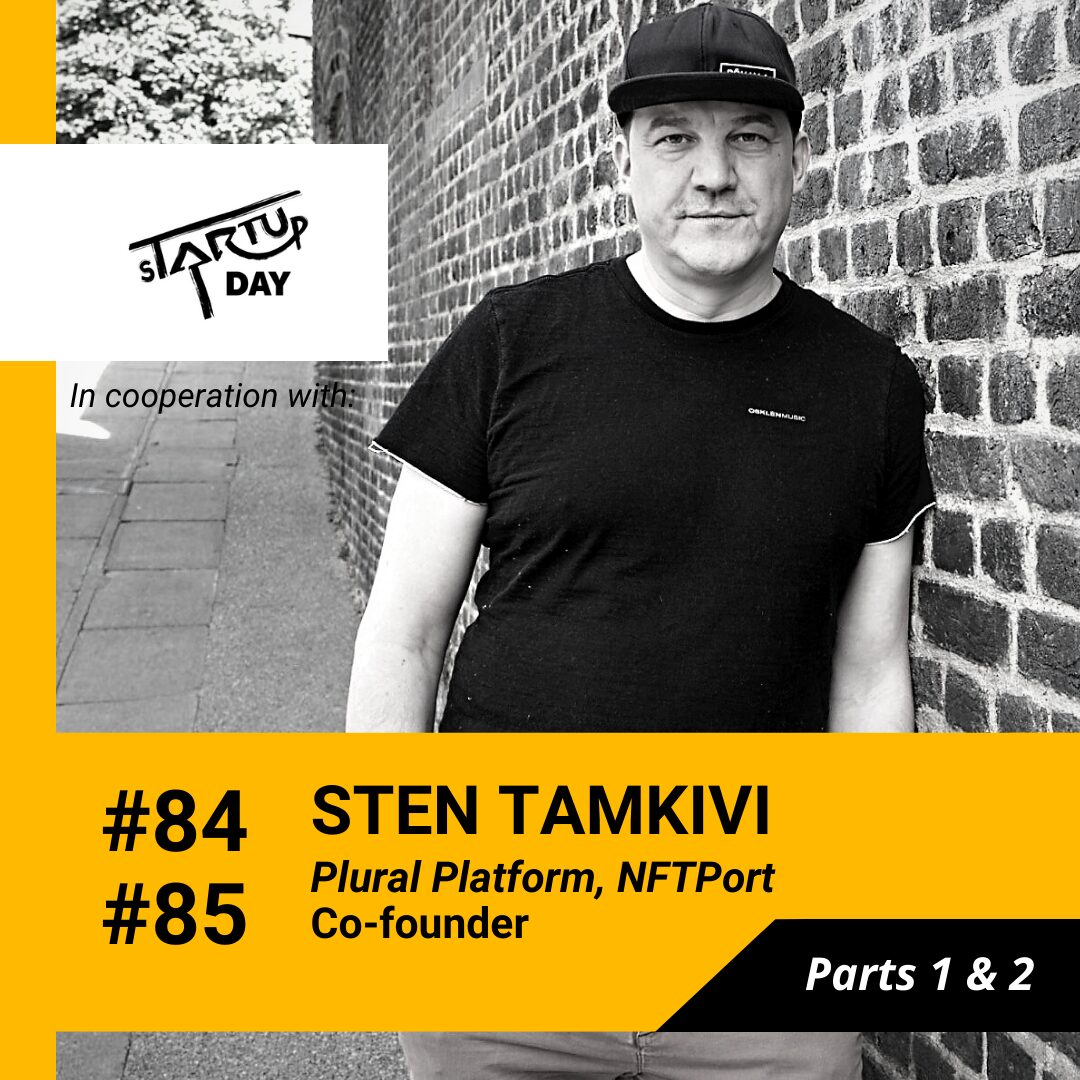
    Plural’s team of investors includes Estonians Taavet Hinrikus, a co-founder of Wise, and Sten Tamkivi, a serial entrepreneur. The team also includes Carina Namih, Ian Hogarth and Khaled Helioui. The 15-people Plural team is based in Tallinn, Estonia, and London, the UK.

    Significant technology built across Europe

    Since inception, Plural has invested in 26 companies across six countries – Denmark, Estonia, Germany, the Netherlands, the UK and the US. Its largest sectors in terms of investments are AI (31%), frontier tech (16%) and climate and energy (14%).

    Plural said its latest fund “exceeded its target and attracted participation from some of the world’s most prestigious university endowments, foundations and family offices”.

    Carina Namih, a partner at Plural, said the fund wanted to take its investment model “deeper into the European ecosystem, where startup creation continues to outpace the US”.

    Taavet Hinrikus said founders who are tackling the world’s biggest problems through technology are the type of companies Plural backs. “By supporting the most ambitious founders with our hard-won experience, we’re determined to build enduring global companies that have GDP-level impact and transform economies and societies,” he said in a statement.

    He added that “significant technology” is being built across Europe; more than 40% of European tech investment last year went into frontier and deep tech, according to Hinrikus. Frontier technologies are emerging at the intersection of radical scientific breakthroughs and real-world implementation – in artificial intelligence, big data, the metaverse and bioprinting. 

    Silver Tambur
    January 23, 2024
  • Why It’s the Age of the Investor-Entrepreneur

    Wired

    Plural’s Taavet Hinrikus says early-stage VC funds need to set a founder to catch a founder.

    Read the article here.

    October 09, 2022
  • Taavet Hinrikus and Ian Hogarth launch €250m VC fund

    Sifted

    It’s finally happened: a gaggle of Europe’s most active angel investors (and successful former founders) — including Wise’s Taavet Hinrikus and Songkick’s Ian Hogarth — are getting into the VC game.

    They’ve raised a €250m fund, called Plural, to invest in early-stage startups and bring serious operator “scar tissue” to Europe’s investment landscape. 

    To begin with, they’re joined by Hinrikus’s long-term investment buddy and fellow Estonian Sten Tamkivi and Khaled Helioui, former CEO of German game developer Bigpoint — but more former founders and operators will be joining as partners in the coming months, including at least two women. The idea is to build an investment platform that can scale — reaching 10 partners by next year and perhaps as many as 50 eventually.

    “We’re building the kind of investment platform we all wished we’d had when we were building our companies,” says Hinrikus. 

    They’re not the only former founders interested in backing the next generation of startups. The OG European founder-turned-VC is Skype’s Niklas Zennström, who founded VC firm Atomico way back in 2006. More recently, Spotify founder Daniel Ek pledged to invest €1bn in moonshot projects, and Sifted knows of another set of former founders launching a VC firm next week.

    “We’ve already proven we can have GDP-level impact in Estonia,” says Hinrikus. “If this works, we’ll have GDP-level impact on Europe.” 

    It could also give traditional VCs a real run for their money.

    Operational experience

    The big idea behind Plural is that operators make good investors — and that Europe doesn’t have enough investors who’ve been there and done it themselves. 

    “Only 8% of these people actually know what a startup is,” says Hinrikus. “The other 92% are well aware of what banks and consulting firms are… The most value they add is money, although sometimes they add negative value.”

    Hinrikus’s fintech, Wise, is considered one of Europe’s top startup success stories. Its listing on the London Stock Exchange in 2021 was a big moment for European fintech — although shares have since tanked, like most tech stocks. (“I’ve stopped checking them,” jokes Hinrikus.) Hogarth’s startup, Songkick, sold to Warner Music Group. 

    There are seven lead investors already lined up to join Plural, but not all are ready to announce their involvement just yet. All will have equal “economic rights”, says Hogarth: “We’re all peers in this structure.” 

    “There’s a craft to building companies that’s under-discussed, and VCs don’t talk about it very much,” says Hogarth. “Iconic tech companies like Spotify, DeepMind, Adyen and Stripe are all companies founded by repeat founders. They’ve developed that craft. So, if you take a first-time founder with, say, a scientific breakthrough, and pair them up with Sten, they’ll develop that craft faster.” 

    Turning fund manager

    Plural’s founding partners are hardly new to the investing game — Hinrikus has done 150 angel deals in Europe, while Hogarth’s angel portfolio is in the hundreds. Helioui’s angel portfolio includes big names like Deliveroo, Onfido and Remote.com. 

    But actually managing a fund with other people’s money in it will be a whole other ball game. 

    Plural’s LPs are a mix of institutional investors, such as university endowments, and startup founders. Will managing external capital change the way these long-time angels invest? 

    “They’re expecting a return in a sufficiently long horizon. They said take some money and run with it,” says Hinrikus, sounding confident that these LPs won’t push Plural to exit from portfolio companies early or encourage them to grow faster than they believe is wise.

    “I’m fully aware that I might be innocent and naive about it — I’m a first-time fund manager, and I’m fully conscious of that,” he adds. 

    Areas of interest

    Plural is interested in four general areas, which it’s calling: 

    • Opportunity gap reduction — ie, expanding access to healthcare and education;
    • Mitigating climate change;
    • Future of governance;
    • Improving health.

    Plural has already backed 14 businesses, including NFT infrastructure startup NFTPort, German insurtech Feather and 3D avatar startup Ready Player Me. Most companies have been sourced from other founders the team has worked with — and “that’s the absolute best source for us”, says Hogarth. 

    Hogarth says the goal for Plural is to build a portfolio that “reflects the population”. 29% of the 14 companies backed by Plural so far have female founders and 26% have non-white founders; they didn’t give a breakdown for their individual angel portfolios. 

    “It should represent all the ethnic, gender, geographic and economic backgrounds of Europe,” he says — and the team will be tracking that data.

    Plural is primarily focused on startups in Europe, although it will occasionally invest elsewhere. It wants to lead rounds but isn’t bothered about board seats.

    There won’t be an investment committee as such. “We don’t think the consensus-based approach is necessarily the best,” says Hinrikus; instead, the team will discuss investments to check that the partner really believes in the startup. “A lot of the best companies look really weird in the beginning — you need a leap of faith.”

    We’ve Marie Kondo-d our professional lives down to focus on this

    The idea is that each Plural partner will invest in around four to five startups per year, so they can get pretty hands-on. Hogarth says they expect to be working with portfolio companies on a weekly basis — and will all be full-time on Plural. (Hinrikus and Tamkivi’s investment firm Taavet+Sten will continue backing social initiatives, other VC funds and non-tech assets under the leadership of a new COO.)

    “We’ve Marie Kondo’d our professional lives down to focus on this,” says Hogarth. Hinrikus adds: “This is what we’ll be doing for the next decade.”

    Founder support

    Exactly what that support will look like will depend on each startup’s needs, Hogarth says. 

    In the case of portfolio company Field Energy, a climate tech startup founded by the former Bulb cofounder Amit Gudka, Hogarth helped Gudka interview early team members, structure a round of funding and work through branding. Hinrikus says they speak frequently about all sorts of company-building topics — like how to prepare for the next phases of growth.

    Are they worried that their operational experience will go out of date? 

    We don’t know what the statute of limitations is on advice from former founders

    “We don’t know what the statute of limitations is on advice from former founders,” says Hogarth. “But the way we’re working with them is quite operationally intensive and very in the weeds, which keeps you young.”

    One company he’s been working with made a big IP breakthrough, Hogarth says, to give an example of how he’s keeping up with the kids. He helped the team spin that IP out of their university, learning a lot about IP licensing in the process. 

    He reckons that other aspects of being a founder — like hiring execs or thinking about strategy and financing — are “pretty easy” skills to maintain. 

    Plural will be hiring a non-investment team too. Already onboard are Victoria Kennard, head of ops, and lawyer Sandra Värk — but the focus, for now, is on scaling up the lead investor model, says Hogarth. “Finding those first 10 people will be the most important decisions we’ll make this year.”

    Amy Lewin
    June 28, 2022
  • Estonia’s at work on the next-generation of the Internet

    e-Estonia

    The world needs a new internet, according to tech entrepreneur Sten Tamkivi, and Estonia is ready to help build it. We are not destined to live in a world where the internet is run by governments and companies, Tamkivi believes. And the transition to this new generation of the internet, dubbed Web3, is underway, a shift that could end the era of the company-owned internet, of Amazon and Meta, in time.

    Read the article here.

    June 22, 2022
  • Inside Taavet+Sten: not your typical startup investor

    Sifted

    Taavet Hinrikus and Sten Tamkivi have backed many of Europe’s most interesting startups — and seems like they’re only just getting started

    Read the article here.

    April 28, 2022
  • Venture funds

    What is a venture fund?

    A venture fund collects money from several investors and invests it in early-stage companies, usually startups. In return for this investment, the fund receives ownership stakes in those companies.

    Venture funds are a type of private equity. This means the investments are made in private companies and are not traded on public stock markets. Venture capital (VC) plays an important role in supporting innovation, job creation, and economic growth, particularly in high-growth sectors such as technology, life sciences, and fintech.

    Venture funds are designed to operate over multiple years, rather than delivering short-term results. Most venture investments are made with the expectation that it will take six to ten years for companies to mature and reach an exit.

    What is the difference between venture capital and private equity?

    The main difference between venture capital and private equity is the stage of the companies they invest in.

    Venture capital usually invests in young companies that have little operating history and are often not yet profitable.

    Private equity, on the other hand, usually invests in mature companies that have been running for many years. These companies already have steady revenue and more predictable results.

    Early-stage investing involves more uncertainty, which is why venture capital is considered higher risk. At the same time, successful investments can generate significant returns.

    How does a venture fund work?

    A venture fund raises money from investors and uses that capital to finance startups with strong long-term growth potential. At investment firms such as Skaala, venture funds are used as structured vehicles to invest in early-stage companies over longer timeframes.

    Many venture funds focus on a particular industry sector, business model, or region where fund managers have experience and strong networks, enabling them to provide more relevant strategic advice as companies grow.

    Startups that get venture capital are often creating new products, trying out new business ideas, or entering new markets. Since most of them are not yet profitable, they cannot get bank loans or raise money on public markets. Venture funds fill this financing gap by offering both money and expertise.

    Why do startups seek venture capital?

    Startups look for venture capital investment not only for money, but also for a long-term partnership. Venture investors often stay involved for years, working with founders as the business develops and changes.

    Venture fund managers may support founders with strategy, business planning, and getting ready for future funding or exits.

    Backing from a well-known venture fund can make it easier for startups to attract more investment, partners, and employees.

    Many well-known companies, such as Alibaba, Apple, Amazon, Facebook, Microsoft, and Tesla, started out with venture funding.

    Venture investment stages

    Venture investments happen at different stages as a company grows. These stages are called funding rounds:

    • Pre-seed
    • Seed
    • Series A
    • Series B
    • Series C
    • Series D

    The first stages are called pre-seed and seed rounds. After that comes Series A, which is usually the first big funding round that brings in more capital and provides new investment opportunities. There is no strict definition for each stage. Early rounds usually involve less money and more risk, while later rounds focus on growing a business that has already shown success.

    Some venture funds focus on early-stage investments, while others invest in later rounds or keep supporting the same companies as they grow.

    How venture funds are structured

    Most venture funds are set up as limited partnerships. This setup is popular because it is flexible and tax-efficient.

    In a limited partnership, a general partner (GP) manages the fund, while passive investors are called limited partners (LPs). This arrangement keeps management and investment roles clearly separate.

    The roles of general partners and limited partners

    The general partner runs the venture fund, raising money, choosing investments, and managing portfolio companies, as well as handling legal, accounting, and other tasks. General partners usually follow a set strategy and earn a management fee plus a share of the profits.

    Limited partners are the fund’s investors. They can be wealthy individuals, pension funds, insurance companies, or family offices. LPs provide the money but do not manage the fund day to day. They are only responsible for the amount they invest.

    A Limited Partnership Agreement (LPA) sets the rules for how GPs and LPs work together, including how the fund runs, how investments are made, and how returns are shared. GPs and LPs are legally separate, but their financial interests are closely linked.

    How venture capital funds make money

    Venture funds make money when they can sell their ownership in a portfolio company, which is called a liquidity event. This can happen in several ways:

    • The company lists its shares on a public stock exchange through an initial public offering (IPO)
    • The company is bought by, or merges with, another business
    • The fund sells its stake to another investor

    In each case, the fund turns its ownership in the company into cash and returns money to investors.

    How returns are distributed

    When a portfolio company exits, the money is shared among investors based on how much they put in, after fees and carried interest are taken out.

    Venture funds usually use a fee model called “2 and 20.” This means a 2% management fee and a 20% share of profits for the general partner. After these fees, limited partners get about 70–80% of the total returns.

    Sometimes, funds reinvest early profits into new opportunities instead of paying them out right away.

    Why invest in a venture capital fund?

    For investors, VC funds offer a way to benefit from long-term growth outside public markets. Returns mostly come from company exits, not short-term price changes, which makes venture investing different from public stocks.

    Venture funds are best for investors who can commit money for several years and are comfortable with more risk in exchange for the chance of higher returns. Over time, venture capital has often done better than public markets and other private investments, though results vary and the risks are higher. For long-term investors, venture funds can be an important part of a diverse investment strategy.

    Venture capital funds are raising more money than ever, showing strong confidence in the growth potential of the startups they support.

    March 24, 2021
  • Social impact investing

    What is social impact investing?

    Generally, social impact investing means investing in projects that aim to make a positive difference for people or the environment, while also earning a financial return. We at Skaala don’t expect every initiative to turn a profit. But we do expect them to create a measurable impact, attract other partners, and have a strong team.

    Social impact investing differs from philanthropy. We treat our impact initiatives as investments, not passive donations. The rigor and decision-making processes that guide our profit-oriented investments are also at work in our social ventures. With social impact investing, rather than giving grants or donations, investors expect a direct financial return or positive social outcomes achieved, which are beneficial to the society as a whole.

    What makes an investment a social impact investment?

    The defining feature of a social investment is intentionality. Investors deliberately allocate capital to investment strategies that aim to deliver measurable social or environmental benefits alongside financial returns. Returns may range from below-market to above-market, depending on the investor’s goals and the nature of the investment.

    Social impact investing is not limited to a specific market or growth stage and can be applied across early-, growth-, and more established-market contexts. At the same time, it requires investors to rethink traditional assumptions about risk, return, and responsibility.

    Why the impact investing market exists

    The social impact investment market questions the belief that only governments or charities should handle social and environmental problems. It recognises that private capital can play a crucial role in tackling complex challenges when it is used with a clear purpose.

    By linking financial stability with long-term goals for change, social investing can attract more money than grants alone.

    Where social impact capital is invested

    Social impact investments often target social or environmental issues that include clean energy, healthcare, sustainable agriculture, infrastructure, and affordable housing.

    In energy and agriculture, impact investments typically focus on sustainable resource use for the long term. In healthcare and housing, the emphasis is often on access, affordability, and service quality. Investments in infrastructure often help communities that are not well served.

    Undertaking social impact investing lets investors help solve big, long-term problems. Skaala prioritizes three focus areas in impact investing: education and youth well-being, entrepeneurship and freedom.

    Who are social impact investors?

    Social impact investing attracts investors who want their money to drive real-world outcomes without sacrificing financial results. It appeals to a wide range of investors, including fund managers, banks, pension funds, insurance companies, foundations, family offices, development finance institutions, and individual investors.

    Each group has its own motivations, return expectations, liquidity needs, and approaches to measuring impact.

    As most investors and asset owners aim to keep their portfolios and investment strategies diversified, investment opportunities that address social issues, environmental goals, and other pressing challenges can offer an attractive opportunity for diversification.

    The principles of social impact investing

    Social impact investment companies follow a few main principles. At Skaala, we use the following principles to guide how we look at and choose projects.

    We prioritise prevention by seeking solutions that address the root causes of problems, not just quick fixes. This way, the impact lasts longer, and there is less need to step in again later.

    We also place strong emphasis on efficiency, making sure we use money wisely to deliver real results. Knowing how much impact costs, helps us compare projects and allocate resources where they matter most.

    Impact measurement is another key focus. We look for initiatives with clearly defined outcomes and impact indicators, enabling us to track progress and understand what is working in practice.

    At the same time, we consider scalability, supporting solutions that can grow beyond a single location or team and reach a wider group of people.

    Finally, sustainability plays an important role in our assessment. We favour initiatives with a credible path to financial independence, enabling them to keep making a difference over the long term without relying indefinitely on external support.

    How does social impact investing work in practice?

    In practice, social impact investing depends on the investor’s mission and strategy. Investors typically focus on specific geographies, communities, or stakeholder groups where they believe their capital can have the greatest effect.

    Investments are set up to align with impact goals, so the way money is managed and results are measured support what investors want to achieve.

    Examples of social impact investments

    As mentioned before, social impact investments can address a wide range of social needs, depending on context and approach.

    In education and youth wellbeing, impact investments often target issues like teacher shortages, unequal access to support services, and outdated learning models. At Skaala, we support initiatives that strengthen the education system while also addressing youth mental health. These efforts concentrate on improving school leadership, supporting teachers, building mental health literacy, and ensuring more equal access to preventive support through modern education models and training programmes.

    In entrepreneurship, social impact investments can support research-driven and technology-intensive founders by providing programmes that help turn innovation into successful businesses. These investments aim to make companies more competitive, help them grow internationally, and transfer knowledge from the technology sector to other parts of the economy.

    Social impact investing can also support the protection of freedoms and democratic rights. In this area, investments commonly focus on independent media, civic engagement, and institutions that promote open societies. Backing these projects makes society stronger and helps people have informed public discussions, especially in uncertain times.

    Across all examples, the main idea is to use capital to support initiatives that aim for lasting social outcomes while building structures that can sustain themselves over time. At its core, social impact investing is about using capital intentionally to earn financial returns while contributing to stronger communities, fairer systems, and more resilient societies.

    March 24, 2021
  • A founders office

    What is a founder’s office?

    A founder’s office (FO) is a high-impact, strategic position or small team that works directly with the founder or CEO of a startup. Its main purpose is to help the founder focus on what matters most by taking ownership of work that would otherwise stretch them too thin. This role is most common in startups and growing companies that deal with rapid change and complexity.

    In fast-growing companies, things tend to move quicker than structure, systems, or hiring plans can keep up. The founder’s office exists to manage that gap. It acts as an extra set of hands for the founder, stepping in where needed and making sure important work gets done as the company continues to scale.

    This role is especially common for solo founders, since there’s no one else to help with extra work. In practice, a founder’s office gives the founder more capacity and helps them stay focused on the big picture.

    A founder’s office role is about more than just project management

    A founder’s office works closely with the founder on the development of the company’s strategic plan while also supporting day-to-day operations where needed. One day, this could mean getting ready for an investor meeting. The next, it might involve helping a team solve a problem, fixing a process, or moving an important project forward. It is also involved in finance and capital-related decisions, such as financial planning, analysis, and supporting fundraising.

    Instead of focusing on just one area, it works across the whole company. It goes where it is needed most, connects teams that are not fully aligned, and keeps momentum when priorities shift. In many ways, it acts like a “mini-CEO”, supporting decision-making and getting hands-on to make sure work gets done.

    A crucial part of the job is preventing the company’s plans from getting stuck between idea and execution. By staying close to both the founder and the teams, it helps turn direction into action.

    Shaped by speed and change

    Most founder’s office roles are not clearly defined. That is by design. Startups often change direction, and the role changes with them. As the company evolves, so do the responsibilities. Ambiguity is common, priorities shift quickly, and expectations are not always written down.

    The main challenge is taking ownership. Ultimately, even when the role isn’t clearly defined, a founder’s office is expected to take charge and make sure things keep moving.

    Founder’s office in early-stage startups

    Joining a startup at a very early stage can feel exciting. You work closely with the founder, learn by doing, and see how a company is built from the ground up. At the same time, you’re often operating in a chaotic environment.

    In the early stages, company founders are still deeply involved in day-to-day details. There isn’t much structure, and it’s often unclear who owns which projects. When the company changes direction or after raising money, roles can get even more mixed up as everyone adapts.

    For someone stepping into this role early, it’s important to understand that learning may come in fragments. There may not yet be space to fully own initiatives from start to finish, especially while the company is still finding its footing.

    Trust, judgment, and working with the founder

    Trust is the foundation of a founder’s office. The role comes with access to sensitive information and involvement in important decisions. Confidentiality and judgment matter.

    One responsibility is managing the flow of information. Founders often worry about problems they cannot see. A founder’s office helps surface issues early, even when there is no immediate solution, and reduces the risk of things being overlooked.

    The role is not about constantly challenging the founder. It is about having a clear point of view, taking initiative, and acting on what needs to be done.

    What makes someone effective in a founder’s office?

    People who do well in a founder’s office tend to be adaptable and comfortable with uncertainty. They move easily between topics and can switch from strategy to execution without losing momentum.

    High agency matters. This is not a role where waiting for instructions works well. The ability to spot problems, propose solutions, and follow through quickly builds credibility over time.

    Because the role cuts across teams, effective communication and emotional intelligence are essential. Much of the work depends on being able to build relationships, understand different perspectives, and navigate tension without having formal authority.

    Why do startups invest in a founder’s office?

    As a startup grows, it becomes harder for founders to keep track of everything that is happening. Priorities multiply, teams expand, and execution risks increase.

    A strong founder’s office helps bring order to this complexity. It makes things clearer, supports accountability, and keeps important projects moving. It is responsible for creating and implementing systems that keep the organization on track and ensure nothing falls through the cracks. Working across teams is critical to identify bottlenecks and keeps execution aligned with the founder’s goals.

    When does using the help of a founder’s office make sense?

    Every startup does not need a founder’s office from day one. The role becomes most valuable during periods of rapid growth, increasing complexity, or when the founder’s time becomes the main constraint.

    When set up well, a founder’s office brings focus, clarity, and execution discipline to a fast-moving environment. It acts as the glue between teams and the engine behind follow-through, helping ensure that the founder’s vision turns into real progress as the company scales.

    March 24, 2021
  • Wise’s Taavet Hinrikus and Teleport’s Sten Tamkivi partner in new investment firm — just don’t call it a VC fund

    TechCrunch

    Taavet Hinrikus, the first employee of Skype and co-founder of fintech giant Wise (formerly TransferWise), is teaming up with Teleport co-founder and current Topia CPO Sten Tamkivi to create a new investment vehicle.

    Both are already seasoned investors — Hinrikus is one of Europe’s bona fide super angels, with over 100 investments to his name — and have already done a number of tickets together. The new as yet unnamed venture will see the pair’s investment activities formalised as an equal partnership and be supported by a team of six people based in Estonia, including an investment analyst.
    Just don’t call it a VC fund.

    “I’m still not setting up a fund, but am partnering to help do more of the same on the investing side,” Hinrikus told me last week in a text message.

    For the last few years — perhaps prompted by swapping the role of CEO of Wise for chairperson — there’s been speculation within London’s increasingly chatty venture capital scene that he might raise a fund of his own or join an A-list VC firm as a partner. The Wise founder actually spent about a year as a venture partner at Mosaic Ventures, which ended last summer and went unreported.

    “When you say fund, this means other people’s money and a specific mandate (i.e. invest in seed or late, in biotech or fintech, promise to return the money in a certain time, etc.),” Hinrikus said in an email earlier this week. He also explained that the new firm will not be seeking outside LPs and will be “evergreen”, enabling it to make considerably longer-term bets than many VC funds. Instead, Hinrikus and Tamkivi are happy to hold investments for 10-20 years.

    “This structure is both liberating and differentiating, because without strict external mandates we can go after the missions we feel passionate about and be really patient about how long we stay involved in our companies,” said Tamkivi in an email.

    “[We] will not be the one pushing a founder to sell,” underlines Hinrikus. “Will always stay on the founder’s side as we’ve been in that position ourselves”.

    The pair’s combined portfolios focus mostly on Europe but also further afield, including the U.S., Japan and Singapore. Mutual investments (or shareholdings) include Wise, Bolt, Veriff, LHV, Xolo, Oyster HR, Pactum, Starship, Curve, Sunrise and Acapela.

    Hinrikus and Tamkivi have also jointly contributed to several “mission-driven” nonprofit endeavors such as Jõhvi School of Technology, Good Deed Education Fund or Vabamu Museum of Freedom and Occupations, which they, and the new firm’s back office, will continue to support. Most recently, Hinrikus co-founded Certific, which is building the rails for home health testing.

    Certific, a health tech startup from the founder of TransferWise, aims to be the rails for certified home testing

    Hinrikus and Tamkivi say their new investment firm will back tech companies with a €250,000 to €1 million seed investment, but also has the freedom to follow on right up to an IPO. In most instances, it doesn’t expect to lead rounds but hopes to be seen as more collaborative than competitive.
    “In short, we will be doing more of the same: give founder-backing to more upcoming founders,” said Hinrikus. “What excites us most is the future ahead and finding positive missions that improve our future. So far it’s been lots of future of work, future of finance, but in the future we’d love to think more about future of health and climate as well”.

    “It will take a bit more conscious effort to figure out what our theses and strategy will be for completely new areas,” adds Tamkivi. “As humans, we both care about longevity, health, education, democracy — if we find ways how to move these huge problem spaces along with capital, we are very eager to learn”.

    The pair are also willing to take positions in crypto tokens, real assets or any alternative financial instruments.

    “On a high level you can think of DeFi as just a natural extension of our broader ‘future of money’ financial freedom thesis,” said Tamkivi. “When it comes to technical execution, we’ve benefited a lot from the freedom to invest not just in equity of established companies, but to also take token positions, use on-chain yield strategies or work with specialized venture funds. Whatever helps our founders”.

    To that end, the new investment fund is breaking cover with very little fanfare — and, as mentioned, it doesn’t even have a name yet. “’Have you talked to Taavet and Sten yet?’ should work fine for now,” quipped Hinrikus, in his own deadpan style of humor I’ve become accustomed to over the years.

    “More seriously, we are just getting started together,” clarified Tamkivi. “[We’re] still figuring out what kind of structure, processes, new talent and other things, such as additional branding, we’ll need as we scale up the activities from our lives as individual angels to date”.

    Steve O'Hear
    March 11, 2021
  • Sten Tamkivi, Taavet Hinrikus launch new investment firm

    ArcticStartup

    Taavet Hinrikus, co-founder of (Transfer)Wise and Teleport founder Sten Tamkivi have joined forces to launch a new investment firm.

    Hinrikus and Tamkivi intend their new firm to have a strong mission-driven influence on the European tech scene for decades to come. The firm invests the partners’ own evergreen capital with analytical diligence and long-term patience.

    Read the article here.

    March 11, 2021